
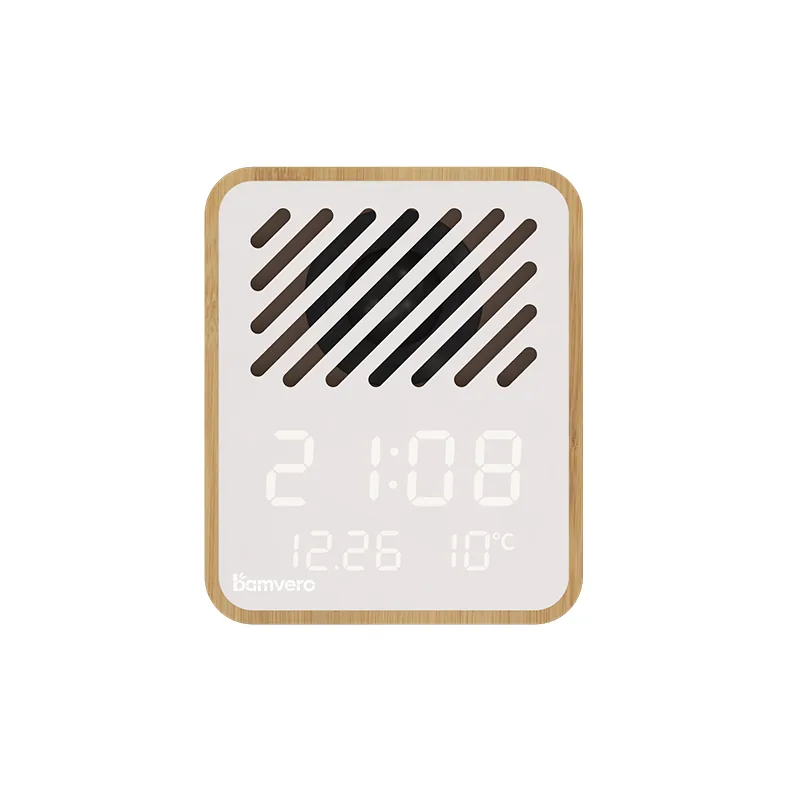
Bamboo Bluetooth Speakers for Business: Complete B2B Buyer's Guide 2026
Use this guide to compare bamboo Bluetooth speaker materials, acoustic performance, compliance, wholesale pricing and launch planning before committing to a bulk order.
Before planning samples, compare Bluetooth speaker alarm clock category, Bamboo radio and speaker range, Bamboo material and finish information and confirm the service scope for your project.
Introduction: Why Bamboo Bluetooth Speakers Are the Smart B2B Choice in 2026
Bamboo Bluetooth speakers combine a familiar audio product with a natural-material finish that can support retail, gifting and private-label positioning.
Whether you're an e-commerce seller looking for high-margin products, a corporate buyer sourcing employee gifts, a retail store owner curating unique inventory, or a brand looking for OEM manufacturing-bamboo speakers offer compelling advantages:
- Premium positioning - Differentiate from generic plastic products when design, finish and functions support the value
- Universal appeal - Tech + sustainability = broad target market
- Customization-ready - Laser engraving showcases logos beautifully
- Practical gifting - Used daily (not forgotten in drawers)
- Margin planning - Model landed cost, channel fees, promotion and returns before setting a target margin
This guide provides specific strategies, pricing, and sourcing information for four distinct B2B buyer types. Skip to your section or read all to understand the full market.
Part 1: E-Commerce Resellers (Amazon, eBay, Shopify Sellers)
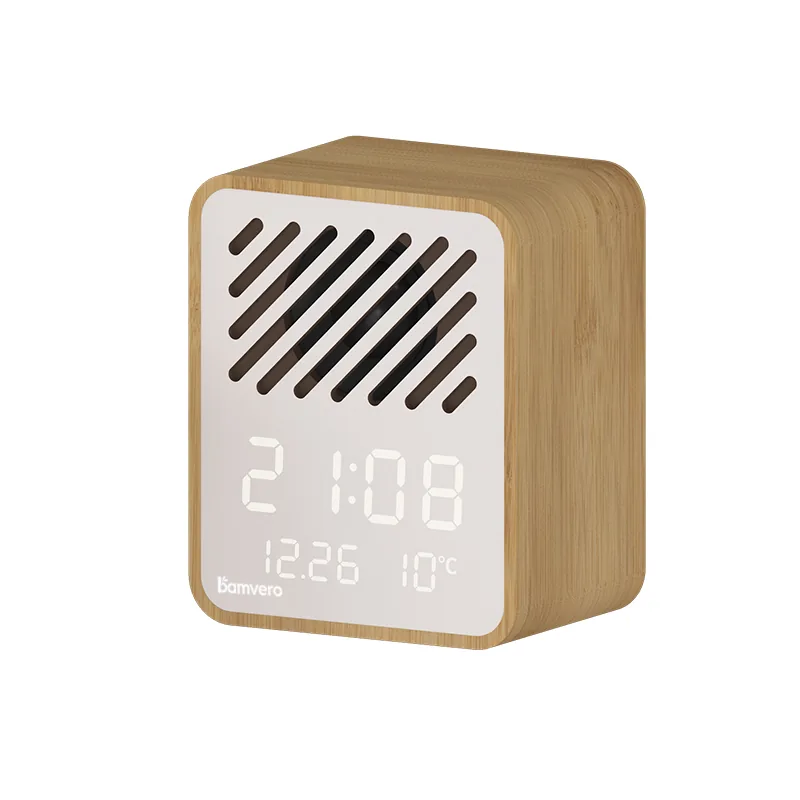
Your Business Model
You purchase bamboo speakers at wholesale prices, list them on marketplaces or your own store, and profit from the markup. Success depends on finding quality suppliers, optimizing listings, and managing margins after platform fees.
Current Market Opportunity
Demand and selling prices vary by marketplace, region, season, advertising cost and product specification. Treat keyword volume, listing counts and retail prices as live research inputs rather than fixed market facts. Before ordering, review current search results, advertising estimates and comparable products in your target channel.
Commercial signals to verify:
- The product types and functions buyers currently compare
- The retail price range for products with similar audio output and battery capacity
- Review themes, return reasons and packaging expectations
- Advertising cost, platform fees and delivery cost in the destination market
Wholesale Pricing & MOQ for Resellers
| Speaker Type | Wholesale (50-99 units) | Wholesale (100-299 units) | Wholesale (300+ units) | Suggested Retail |
|---|---|---|---|---|
| Mini Desktop (5W) | $8-10 | $6.50-8.50 | $5.50-7.00 | $28-39 |
| Portable Standard (10W-15W) | $12-15 | $10-13 | $8.50-11 | $49-68 |
| Premium Home (20W) | $20-25 | $17-22 | $15-19 | $89-129 |
| Multi-Function (Speaker+Charger) | $16-20 | $14-18 | $12-16 | $65-95 |
Minimum Order Quantities:
- Testing phase: 20-50 units (higher per-unit cost, low risk)
- Scaling phase: 100-300 units (optimal cost, manageable inventory)
- Volume phase: 500+ units (best pricing, custom branding available)
Illustrative Marketplace Cost Scenario
Product: 10W Portable Bamboo Speaker Wholesale Cost (150 units): $11.50/unit Shipping (China → USA FBA): $2.00/unit Amazon FBA Fee: $5.20/unit Total COGS: $18.70/unit
Retail Price: $54.99 Amazon Referral (15%): $8.25 Net Profit: $28.04/unit Margin: 51%
Monthly Revenue Scenarios:
- 50 units sold = $1,402 profit/month
- 150 units sold = $4,206 profit/month
- 400 units sold = $11,216 profit/month
Break-Even: ~55 units (typically 45-60 days with basic PPC)
Critical Success Factors for E-Commerce Resellers
1. Supplier Quality Verification
Red Flags (Avoid These Suppliers):
- Won't provide certifications (FCC, CE, Bluetooth SIG)
- Wholesale price <$6 for "solid bamboo" 10W speaker (likely fake bamboo)
- No audio samples or test reports
- Stock photos only (reverse image search shows 20+ sellers using same images)
- Communication delays >48 hours
Green Flags (Reliable Suppliers):
- Provides certification numbers you can verify online
- Offers 1-3 samples before bulk order
- Shows factory photos/videos
- Provides audio test recordings
- Has a written defect definition, inspection threshold and replacement policy
2. Amazon/eBay Listing Optimization
Title Formula (60 characters max): "[Brand] Bamboo Bluetooth Speaker, 15W Wireless Portable [Key Feature]"
Example: "Bamvero Bamboo Bluetooth Speaker, 15W Wireless Portable 12Hr Battery"
Bullet Points Must Include:
- Technical specs (Wattage, Bluetooth version, battery life)
- Material authenticity ("Solid bamboo construction, not veneer")
- Unique grain pattern angle ("Every speaker has unique wood grain")
- Compatibility ("Works with all Bluetooth devices: iPhone, Android, tablets")
- Certifications ("FCC/CE certified, Qi wireless charging compatible" if applicable)
Backend Keywords (250 characters): wooden speaker, eco friendly speaker, sustainable bluetooth speaker, natural wood speaker, bamboo audio, portable bamboo speaker, desktop wooden speaker, rechargeable bamboo speaker, handmade wood speaker, gift for him
3. Inventory Management Strategy
Avoid These Mistakes:
- Ordering too many SKUs at once (spread risk thin)
- Running out of stock during peak season (Q4, Father's Day)
- Holding dead inventory >120 days (hurts IPI score on Amazon)
Winning Strategy:
- Start with 2 SKUs: One budget ($35-45 retail), one mid-range ($55-65 retail)
- Test 60 days: Track sell-through rate, customer feedback, return rate
- Double down on winner: Reorder 3x quantity of best-seller
- Add complementary product: If speaker sells well, add bamboo phone stand or wireless charger
Inventory Rule of Thumb: Monthly sales × 2.5 months = reorder quantity (accounts for production + shipping time)
Dealing with Returns & Customer Issues
Common Complaints & Solutions:
| Issue | Cause | Prevention |
|---|---|---|
| "Won't connect to Bluetooth" | Often pairing, range or device-setting related | Include quick-start card with illustrations |
| "Sounds tinny" | Customer expectations (comparing to $200 speakers) | Set realistic expectations in description |
| "Battery dies in 3 hours" | Customer used max volume | Specify "battery life at 60% volume" |
| "Arrived damaged" | Poor packaging | Require double-boxing from supplier |
Proactive Customer Service:
- Include troubleshooting insert in box (helps prevent avoidable support tickets)
- Respond to negative reviews within 24 hours
- Offer replacement for defects (don't force return, send new unit)
Part 2: Corporate & Bulk Buyers (Employee Gifts, Event Giveaways)
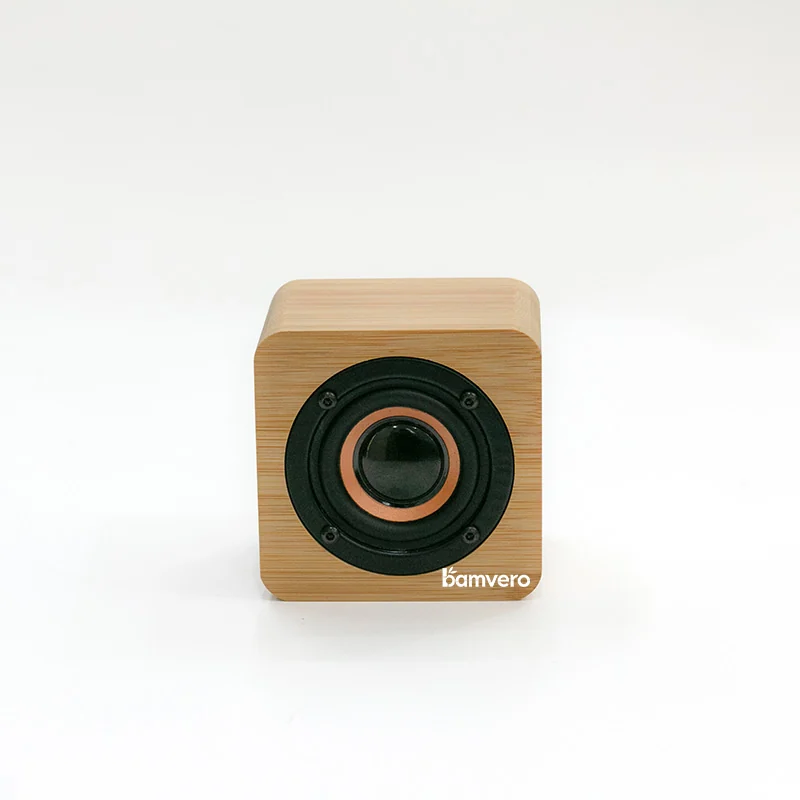
Your Business Model
You're purchasing 50-5,000+ units for corporate gifting (employee appreciation, client gifts, event swag, new hire welcome kits). You prioritize reliable delivery, professional presentation, and optional logo customization.
Why Bamboo Speakers Excel as Corporate Gifts
Advantages Over Traditional Corporate Gifts:
| Gift Type | Cost | Perceived Value | Daily Use | Brand Visibility |
|---|---|---|---|---|
| T-shirts | $8-15 | Low | Occasional | Limited |
| Mugs | $6-12 | Medium | Daily | Medium (home only) |
| USB drives | $5-10 | Low | Rare | Very limited |
| Bamboo Speaker | $15-35 | High | Daily | High (desk/home) |
Key Benefits:
- Practical: Used daily (not forgotten in drawer)
- Premium perception: Looks expensive, feels thoughtful
- Sustainability message: Aligns with ESG initiatives
- Versatile: Works for all departments, all ages
- Visibility: Logo displayed prominently on desk/shelf
Corporate Pricing Tiers (With Logo Customization)
Price Includes: Product + laser-engraved logo + gift box + shipping to single location
| Quantity | Unit Price (5W Mini) | Unit Price (10W Portable) | Unit Price (20W Premium) | Setup Fee |
|---|---|---|---|---|
| 50-99 units | $18-22 | $24-30 | $38-48 | $150 |
| 100-249 units | $15-19 | $20-26 | $32-42 | $150 |
| 250-499 units | $13-17 | $18-24 | $28-38 | Waived |
| 500-999 units | $11-15 | $16-22 | $25-35 | Waived |
| 1,000+ units | Request quote | Request quote | Request quote | Waived |
Lead Times:
- Without customization: 10-15 business days
- With logo engraving: 25-35 business days
- Rush orders (<7 days): +30% premium
Popular Corporate Use Cases
1. Employee Appreciation / Holiday Gifts
Typical Order: 100-500 units Budget: $20-35/unit Customization: Company logo + "Thank you for your dedication 2026" Presentation: Individual gift boxes with company-branded card
Why It Works: Employees use daily, associates positive feeling with employer brand.
2. Client/Customer Gifts
Typical Order: 50-200 units Budget: $30-50/unit Customization: Company logo + client name personalization (extra $3-5/unit) Presentation: Premium packaging, handwritten note option
Why It Works: High perceived value ($80-100 perceived retail), memorable, practical.
3. Conference/Event Giveaways
Typical Order: 200-2,000 units Budget: $15-25/unit Customization: Event logo + conference hashtag + year Presentation: Branded tote bag or conference swag box
Why It Works: Stands out from typical pens/notebooks, attendees actually keep it, ongoing brand exposure.
4. New Employee Welcome Kits
Typical Order: 25-100 units (quarterly) Budget: $25-40/unit Customization: Company logo + "Welcome to [Company Name]" Presentation: Welcome kit box (with other items: notebook, water bottle, etc.)
Why It Works: Creates positive first impression, practical for remote workers setting up home office.
Logo Customization Options
Laser Engraving (Most Common):
- Process: CO2 laser burns design into bamboo (permanent, won't fade)
- Location: Top center, front panel, or bottom
- Size: 30mm-80mm diameter (depends on speaker size)
- Colors: Natural wood contrast (darker than surrounding bamboo)
- Setup fee: $100-200 (one-time, includes design file conversion)
- Minimum: 50 units
Pad Printing (Alternative):
- Process: Ink transfer onto bamboo surface
- Location: Flat surfaces only
- Colors: 1-3 colors possible
- Durability: Good (but not as permanent as laser)
- Setup fee: $150-250 per color
- Minimum: 100 units
Design Requirements:
- Vector format (AI, EPS, or high-res PDF)
- Simple designs work best (complex gradients don't translate well)
- Text minimum 8pt font size
- Line art minimum 0.5mm thickness
Design Mockup: Reputable suppliers provide 2-3 mockups before production starts.
Corporate Buyer Checklist
Before placing bulk order:
- Request samples (2-3 units to test quality, sound, build)
- Verify certifications (especially if shipping to EU - CE marking required)
- Check warranty terms (typical: 1-year manufacturer warranty)
- Confirm delivery date (avoid end-of-month/quarter crunches)
- Review logo mockup (get final approval from marketing dept)
- Clarify shipping (delivered to warehouse or direct to employee addresses?)
- Agree the defect policy in writing, including inspection method, threshold and remedy
- Get invoice quote in writing (price, quantity, delivery date, payment terms)
Payment Terms (Typical):
- First-time order: 50% deposit, 50% before shipping
- Established accounts: Net-30 or Net-60 possible
Part 3: Retail Store Buyers (Gift Shops, Electronics Stores, Boutiques)
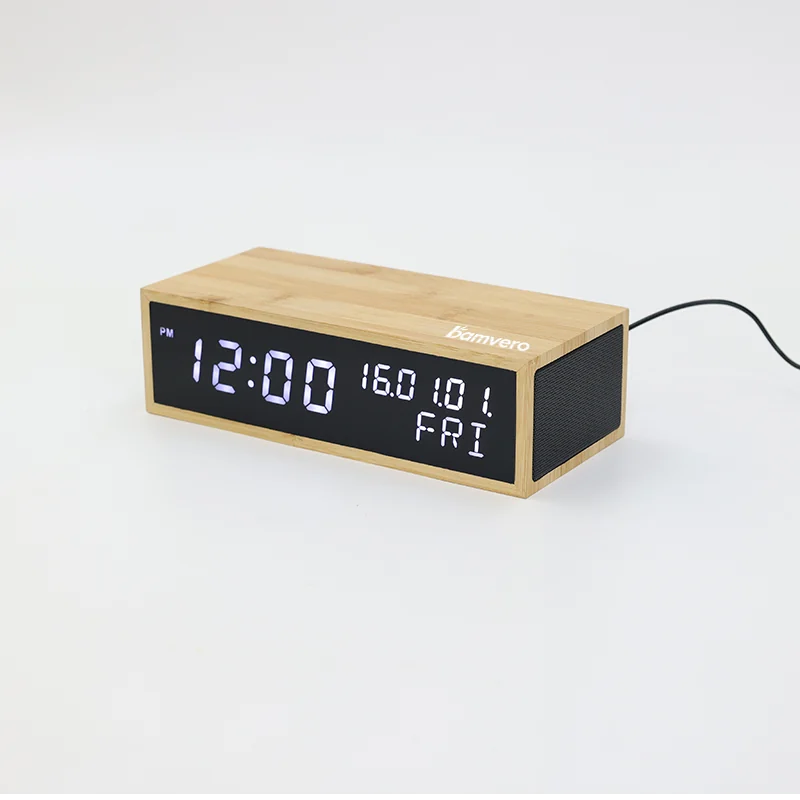
Your Business Model
You operate physical retail locations and need products that sell quickly at good margins, look attractive on shelves, and have low return rates. You care about wholesale cost, minimum orders, and display/packaging quality.
Why Bamboo Speakers Work in Retail
Shelf Appeal:
- Natural wood aesthetic draws attention (stands out among plastic products)
- Unique grain patterns = perceived value
- Gift-ready packaging (clear window boxes or premium matte boxes)
- Stackable/display-friendly
Customer Psychology:
- Touch factor: Customers want to hold bamboo (triggers purchase impulse)
- Price anchoring: Feels premium, justifies $50-80 retail vs. $25 plastic speaker
- Gift justification: "Eco-friendly + practical = thoughtful gift"
Sales Patterns:
- Steady year-round baseline: 2-5 units/week (depends on store traffic)
- Seasonality: Measure lift around gifting periods using your own channel data
- Impulse purchases: Track unplanned purchases by placement, price point and store type
Retail Wholesale Pricing & Terms
Keystone Markup Model (50% wholesale of retail):
| Retail Price Point | Your Wholesale Cost | Your Margin | Units/Month to Hit $2K Profit |
|---|---|---|---|
| $34.99 (5W mini) | $14-17 | 51-55% | 90-115 units |
| $54.99 (10W portable) | $22-27 | 50-55% | 55-70 units |
| $79.99 (20W premium) | $32-40 | 50-54% | 40-50 units |
Minimum Order Quantities for Retail:
- Initial test order: 12-24 units (mixture of SKUs)
- Restock orders: 24-48 units (focus on proven sellers)
- Seasonal pre-orders: 100-200 units (lock in Q4 inventory by August)
Payment & Delivery Terms:
- Payment: Net-30 common for established stores, COD for new accounts
- Shipping: Free freight on orders $1,500+ (typical)
- Returns: 30-60 day return window for defects (not for slow-moving inventory)
Product Assortment Strategy
Don't Stock Too Many SKUs - Focus beats variety in retail.
Winning 3-SKU Strategy:
- Entry-level: $34.99 bamboo mini speaker (impulse buy, gift under $40)
- Core scenario: Use the portable model as the main test SKU and validate its share with actual sales data
- Premium anchor: $79.99 or $99.99 home speaker (makes $54.99 feel reasonable)
Display Tips:
- Place $79.99 speaker at eye level (makes others feel affordable)
- Show size comparison (all three next to each other)
- "As Seen On Eco Living Blogs" tent card (social proof)
- QR code linking to demo video (let customers hear sound quality)
Seasonal Buying Guide for Retailers
Q1 (Jan-Mar): Recovery Quarter
- Order: 20-40 units (replenish post-holiday)
- Focus: Valentine's Day positioning ("Tech gift he'll actually use")
- Margin strategy: Maintain full retail (no discounting needed)
Q2 (Apr-Jun): Gift Season Prep
- Order: 60-100 units by mid-May
- Focus: Father's Day (peak season for tech gifts)
- Margin strategy: Bundle deals (speaker + phone stand = $10 off)
Q3 (Jul-Sep): Back-to-School & Q4 Prep
- Order: 40-60 units in July, then 150-250 units in September for Q4
- Focus: Dorm room essentials, holiday pre-stocking
- Margin strategy: Dorm bundles, early-bird holiday shoppers
Q4 (Oct-Dec): Peak Season
- Order: Already stocked from September (don't wait until November)
- Focus: Holiday gifting, corporate bulk orders
- Margin strategy: Hold prices (demand is high), offer gift wrapping service (+$5)
Managing Slow-Moving Inventory
If speakers aren't selling after 60 days:
- Reposition: Move to different store location (near checkout, window display)
- Bundle: "Desk Essentials Set" (speaker + phone stand + organizer) - 15% off bundle
- Local marketing: Instagram post tagging local influencers
- Event demos: Play music in-store during busy hours (customers hear quality)
- Last resort: 20% off flash sale (clears inventory, maintains perceived value better than 50% off)
Don't: Deep discount immediately (trains customers to wait for sales)
Point-of-Sale Materials (Request from Supplier)
- Tent cards: "Sustainable Bamboo | Fast Charging | Unique Grain Patterns"
- Shelf talkers: "Customer Favorite" or "Eco-Friendly Choice"
- Demo units: Request 1-2 non-sellable demo units (customers can touch/test)
- QR code cards: Link to product video or brand story
- Comparison charts: Bamboo vs. Plastic speakers (why worth premium)
Part 4: OEM/ODM & Private Label Brands
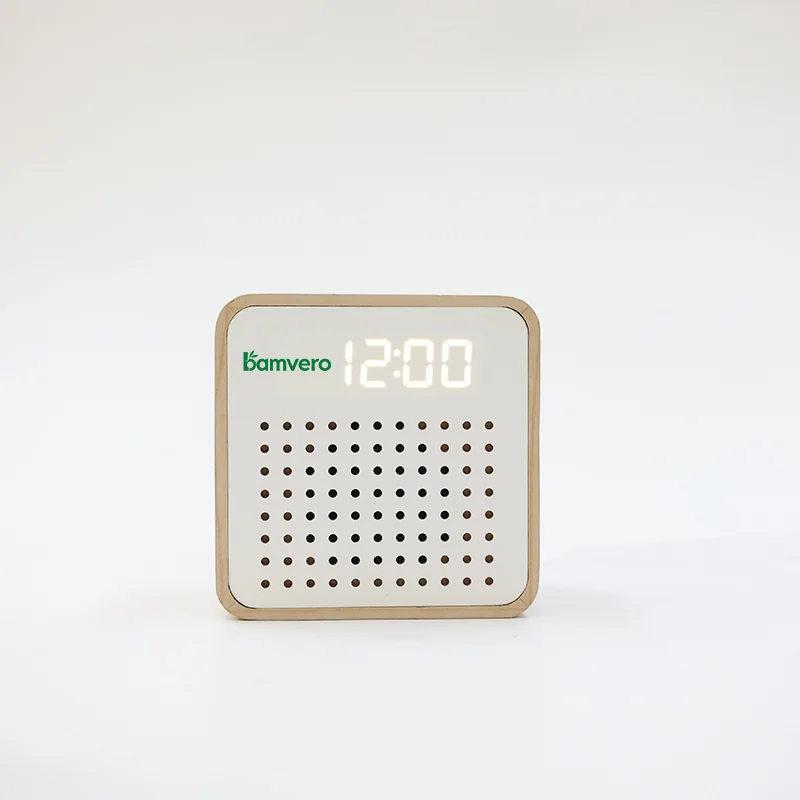
Your Business Model
You're building your own brand, need manufacturing partners for custom designs, or want white-label products with your branding. You care about production capacity, customization capabilities, NDA protection, and quality consistency.
OEM vs. ODM: Understanding Your Options
OEM (Original Equipment Manufacturer):
- You provide design specifications, supplier manufactures to your specs
- Full control over product features, materials, components
- Higher MOQ (typically 500-2,000 units)
- Longer development timeline (60-120 days)
- Best for: Established brands with clear product vision
ODM (Original Design Manufacturer):
- Supplier has existing designs, you select and rebrand
- Limited customization (color, logo placement, packaging)
- Lower MOQ (100-500 units possible)
- Faster turnaround (30-45 days)
- Best for: New brands testing market, faster time-to-market
White Label:
- Supplier's existing product, your logo/packaging only
- Minimal customization
- Lowest MOQ (50-100 units)
- Fastest timeline (20-30 days)
- Best for: Market testing, MVP launch
Customization Options & Costs
| Customization Type | Setup Cost | Per-Unit Cost | MOQ | Lead Time |
|---|---|---|---|---|
| Logo laser engraving | $100-200 | $0-0.50 | 100+ | +7 days |
| Custom packaging design | $300-800 | $0.50-2.00 | 500+ | +15 days |
| Custom bamboo color (staining) | $200-400 | $0.80-1.50 | 300+ | +10 days |
| Component changes (Bluetooth chip, battery) | $500-1,500 | Varies | 1,000+ | +30 days |
| Mold for new shape | $3,000-12,000 | $0 | 3,000+ | +60 days |
| Custom electronics (app integration) | $10,000-50,000 | Varies | 5,000+ | +90 days |
Finding the Right Manufacturing Partner
Questions to Ask Potential Suppliers:
- Production capacity: How many units/month can you produce?
- Current clients: Can you share examples of branded products you've made? (NDA permitting)
- Quality control: What's your QC process? Can I visit factory or hire 3rd party inspection?
- Certifications: Do you hold ISO 9001? Can you handle FCC/CE/RoHS testing?
- NDA/IP protection: Will you sign NDA? How do you prevent copycats?
- Payment terms: Deposit structure? Escrow options?
- Defect handling: What's your defect rate? How do you handle warranty claims?
- Shipping: FOB or DDP pricing? Freight forwarder recommendations?
Red Flags:
- Won't sign NDA
- Can't provide client references
- Production capacity claims seem inflated (one factory can't make 100K units/month)
- Pushy about large deposit (>50%) before production
- No clear QC documentation
Private Label Development Timeline (Realistic)
Month 1: Design & Sampling
- Week 1-2: Spec discussions, NDA signing, initial quote
- Week 3-4: Design mockups, 3D renders (if custom shape)
- Week 4: First physical sample shipped
Month 2: Sample Refinement
- Week 5-6: Test first sample, provide feedback
- Week 7-8: Revised sample produced and shipped
Month 3: Pre-Production
- Week 9: Final sample approval, place production order (50% deposit)
- Week 10-11: Production begins, QC checkpoints
- Week 12: Pre-shipment inspection (hire SGS or similar)
Month 4: Production & Shipping
- Week 13-14: Production completes, final 50% payment
- Week 15-16: Sea freight (or 5-7 days air freight)
- Week 17: Customs clearance, delivery to warehouse
Total Timeline: 4-5 months from concept to inventory
Faster Options:
- Use ODM/white-label: 6-8 weeks total
- Air freight: Cuts 3-4 weeks (costs 5-8x more)
Cost Breakdown for Private Label Project
Example: 1,000-unit order, 10W portable bamboo speaker
| Cost Item | Amount | Notes |
|---|---|---|
| Unit manufacturing cost | $9,500 ($9.50/unit) | Includes components, assembly, basic packaging |
| Custom packaging | $1,200 ($1.20/unit) | Your branded boxes |
| Logo engraving setup | $150 | One-time |
| QC inspection (3rd party) | $300 | SGS or Intertek inspection before shipping |
| Sea freight | $800-1,200 | Depends on volume (1,000 units ≈ 1-2 pallets) |
| Customs/duties | Confirm with broker | Depends on classification, origin and destination |
| Certifications (FCC, CE, RoHS) | $2,000-4,000 | Per model, not per order (amortize over multiple orders) |
| Total | $14,900-17,300 | $14.90-17.30/unit landed cost |
Retail Pricing Strategy:
- Your landed cost: $15-17/unit
- Suggested retail: $69.99
- Your margin: 75-78% (if selling direct)
- Wholesale to retailers: $32-35/unit (still 53-57% margin)
Protecting Your Private Label Product
Intellectual Property Considerations:
- Design Patents (if truly unique shape):
- Cost: $3,000-8,000 (US patent attorney)
- Timeline: 12-18 months for approval
- Protection: 15 years in US
- Trademark Your Brand:
- Cost: $300-500 (DIY filing) or $1,000-2,000 (attorney)
- Timeline: 8-12 months
- Protection: Renewable indefinitely
- NDA with Manufacturer:
- Must be signed before sharing specs
- Include non-compete clause (supplier can't sell same design to others)
- Specify IP ownership (you own molds, designs)
- Amazon Brand Registry:
- Requires active trademark
- Protects against hijackers
- Allows A+ content, brand analytics
Comparison: Which B2B Model Is Right for You?
| Factor | E-Commerce Reseller | Corporate Buyer | Retail Store | OEM/Private Label |
|---|---|---|---|---|
| Startup Investment | $1,500-5,000 | $2,000-15,000 | $1,000-8,000 | $15,000-50,000 |
| Typical Margins | 45-55% (after fees) | 50-70% (net savings vs. buying retail) | 50-55% | 70-80% |
| Time to First Sale | 2-4 weeks | 4-8 weeks | 1-2 weeks | 4-6 months |
| Scalability | High (unlimited online reach) | Moderate (limited by employee count) | Low (limited by store traffic) | Very High (brand equity builds) |
| Risk Level | Medium (platform dependency) | Low (known demand) | Medium (inventory risk) | High (capital intensive) |
| Best For | Side hustles, home-based entrepreneurs | HR depts, event planners | Established retailers | Serious brands, investors |
Universal B2B Sourcing Tips (All Buyer Types)
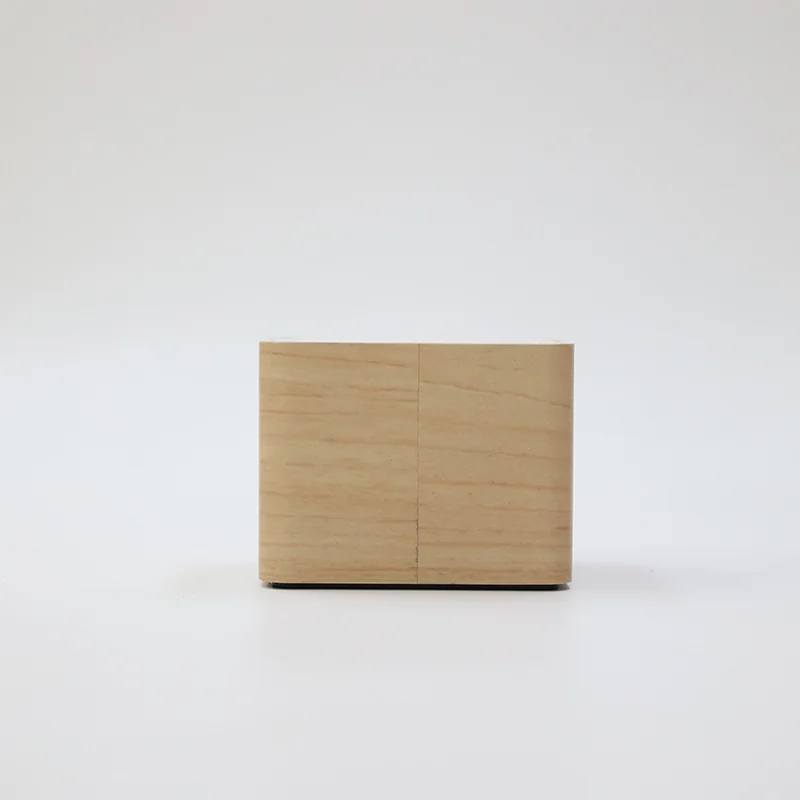
1. Sample Before You Scale
Always order 2-5 samples before bulk order, even if supplier charges full price.
What to Test:
- Sound quality (play bass-heavy and vocal tracks)
- Build quality (shake it, press buttons 50+ times, check bamboo joints)
- Battery life (charge fully, play at 60% volume until dead)
- Bluetooth range (walk 30 feet away through walls)
- Packaging (would it survive shipping?)
2. Verify Certifications Online
Don't just accept PDF certificates-verify them:
- FCC ID: Search at fcc.gov/oet/ea/fccid
- Bluetooth SIG: Check at launchstudio.bluetooth.com
- CE marking: Ask for Declaration of Conformity document
3. Use Escrow for Large Orders
For orders >$10,000 with new suppliers, consider:
- Alibaba Trade Assurance (for Alibaba orders)
- PayPal Goods & Services (for smaller amounts)
- Bank escrow (for very large orders)
4. Negotiate Payment Terms
Don't accept: 100% upfront wire transfer Negotiate: 30-40% deposit, 60-70% before shipping Best case: 30% deposit, 50% before shipping, 20% after inspection
5. Hire Third-Party Inspection
Cost: $200-400 per inspection Services: SGS, Intertek, TUV, Bureau Veritas When: Before final payment, after production completes What they check: Quantity accuracy, quality defects, packaging, functionality testing
Summary: Choosing the Right B2B Strategy
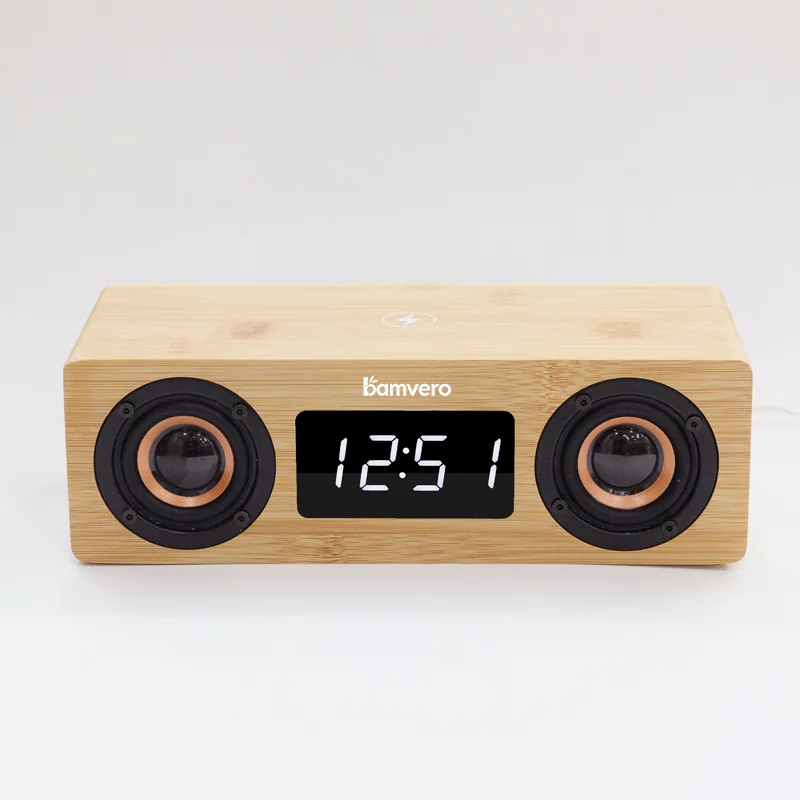
The bamboo bluetooth speaker market offers opportunities across all four B2B channels:
E-Commerce Resellers can test demand and scale online reach while measuring the actual contribution margin after fees, advertising and returns. Start with 50-100 units, focus on listing optimization, and scale based on data.
Corporate Buyers leverage bamboo speakers for employee engagement and client relationships. Budget $15-30 per unit with logo customization, and plan 25-35 days lead time.
Retail Stores should validate margin, sell-through and seasonal lift with a controlled product mix. The 3-SKU strategy (entry/core/premium) maximizes profitability.
OEM/Private Label Brands need a longer development cycle and a larger validated budget, with final economics determined by specification, tooling, certification, order size and sales channel.
Success in any channel requires careful supplier vetting, quality verification, and understanding your specific customer needs. Use the checklists and verification methods provided in each section to minimize risk and maximize returns.
*Article last updated: August 2026*
Related sourcing resources
Methodology and official references
Prices, fees, freight and margins shown in this guide are indicative planning examples prepared in August 2026. They are not offers or guaranteed outcomes. Confirm current quotations, tariff classification, tax, marketplace fees and compliance requirements for the exact product and destination.
Frequently asked questions
What is a practical MOQ for a bamboo Bluetooth speaker order?
MOQ depends on the selected model and customization. Stock models may support a smaller trial order, while custom color, electronics, packaging or tooling normally requires a larger production quantity.
Can a corporate logo be added to a bamboo speaker?
Yes. Laser engraving is commonly used on bamboo surfaces. Print, labels and customized gift-box artwork may also be available after artwork and sample approval.
Which compliance documents should a buyer request?
Request documents that match the destination market and exact configuration. Typical checks can include Bluetooth qualification information, radio and EMC reports, RoHS documentation and UN 38.3 records when a lithium battery is included.
How should buyers compare wholesale prices?
Compare the same power output, battery, accessories, packaging, certification scope and shipping terms. A low unit price is not comparable if required testing, adapters or retail packaging are excluded.
How long does a private-label sample take?
Timing varies by model and artwork. A stock sample is usually faster than a branded or engineering sample, so confirm the sample scope and approval stages before setting a launch date.
Build the specification before comparing the final price.
Align the target channel, product functions, destination market, branding and packaging route before approving a sample or bulk quotation.