
Bamboo Wireless Charging Clock Manufacturer: How to Compare OEM Capabilities
Compare bamboo charging clock manufacturers through controlled specifications, model-specific evidence, change records and repeatable production checks.
Before comparing charging clock manufacturers, review Custom bamboo wireless charger sample approval, Private-label pre-production document checklist, Bamboo electronics compliance checklist and confirm the requirements for your project.
Who This Guide Is For
This guide is for brand owners, importers, sourcing managers and product teams comparing factories for a bamboo wireless charging clock program. The sourcing decision is not simply which supplier can show an attractive sample. It is whether the manufacturer can define the exact configuration, reproduce the approved unit, document changes and give the buyer evidence that the packed production order matches the approved brief.
Bamboo charging clocks combine a natural outer surface, a time display, charging electronics, controls, power accessories and packaging. Each part can affect another. A different power input may change charging behavior. A coating or assembly change can affect appearance. A new insert can protect the surface but obstruct an accessory. The right comparison therefore uses one controlled request-for-quotation package and one evidence checklist across every candidate.
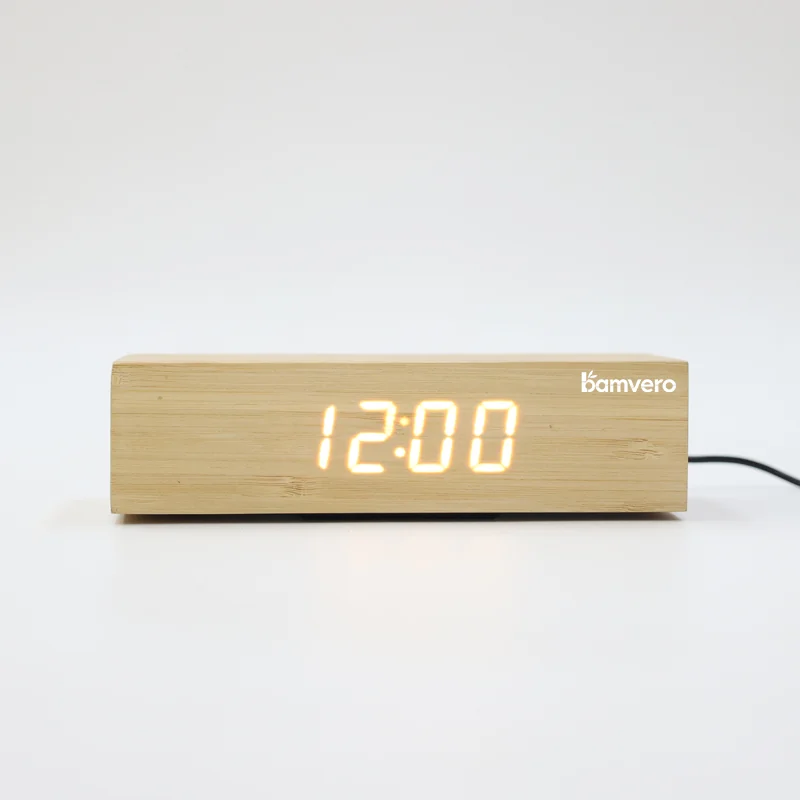
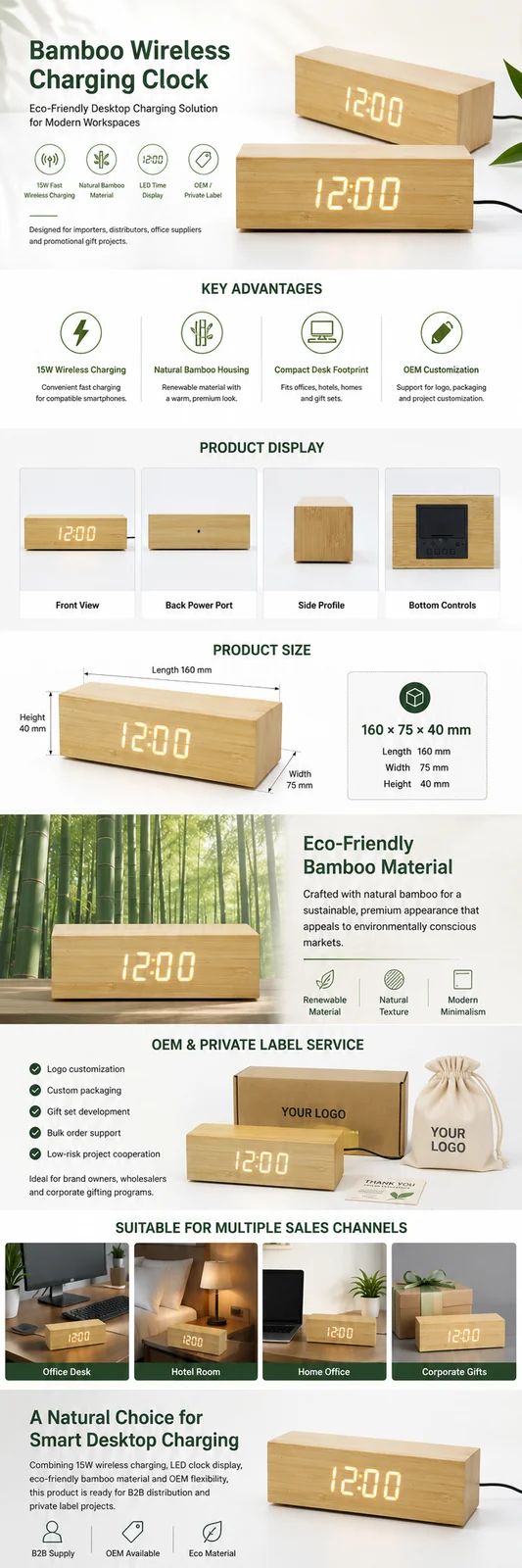
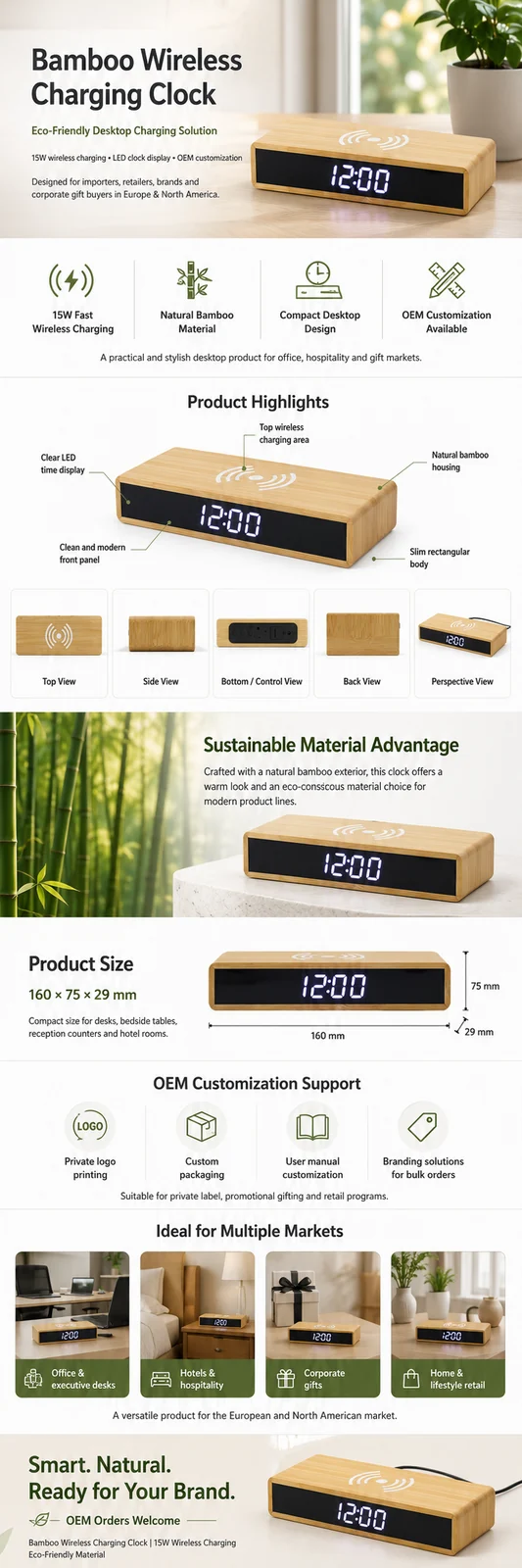
This article uses verified product directions such as the compact W101 and hidden-display W118 to show how a buyer can structure that comparison. Their public product pages describe 15W charging and LED time displays, but every quoted configuration, power accessory, market document and performance claim still needs model-specific confirmation.
Key Takeaways
- Compare manufacturers on evidence and control, not sample appearance alone.
- Lock the exact model, power input, charging configuration, display, controls, accessories, finish and packaging in one revision.
- Ask how the approved sample becomes a production specification and inspection plan.
- Verify charging behavior with named devices, cases, power sources and test conditions.
- Record every change after sample approval and decide whether it requires re-testing.
- Approve the packed product, because accessories and inserts can affect both protection and first use.
Quick Manufacturer Comparison
| Capability area | Evidence to request | Buyer decision |
|---|---|---|
| Product definition | Model-specific specification and revision history | Can all teams identify the same configuration? |
| Sample control | Labeled sample, photos and signed approval record | Is the approved unit traceable? |
| Charging verification | Device, case, input power, alignment and result log | Are claims limited to tested conditions? |
| Bamboo appearance | Approved visual range and workmanship examples | Is natural variation separated from defects? |
| Change control | Written change notice and re-approval route | Will changes reach the buyer before production? |
| Production inspection | Function, appearance and packaging checklist | Can the factory repeat the approved result? |
| Document scope | Model, market, report or declaration references | Does evidence match the supplied configuration? |
Start With One Controlled Product Brief
A useful manufacturer comparison begins before quotations arrive. Send every factory the same brief. State the target model or product direction, destination market, intended channel, logo method, packaging route, required accessories and the devices you plan to test. Separate fixed requirements from optional choices and open questions.
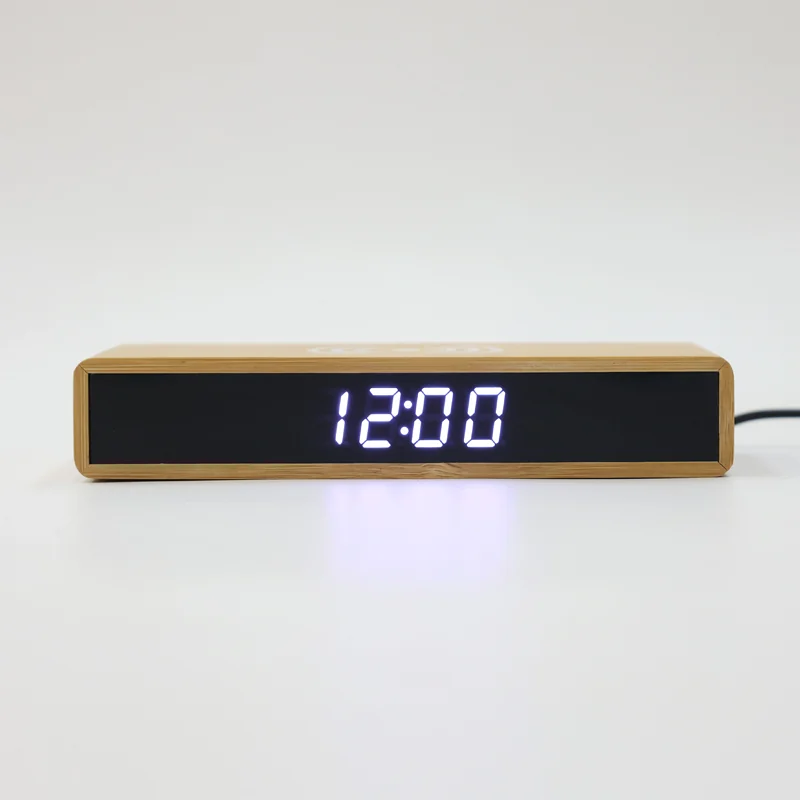
For example, the W101 is presented as a compact bamboo wireless charging clock with a 15W charging area and LED display. The W118 is presented with a hidden LED time display and 15W charging. Those facts help define two real product directions, but they do not answer every project question. The buyer should still confirm the required input adapter, control behavior, display settings, included cable, label language, supported charging profiles and exact test evidence for the quoted unit.
Require the factory to return the brief with each field marked confirmed, optional, unavailable or pending engineering review. This prevents a sales image, an old specification and a physical sample from describing different products.
Check How Samples Become Controlled Specifications
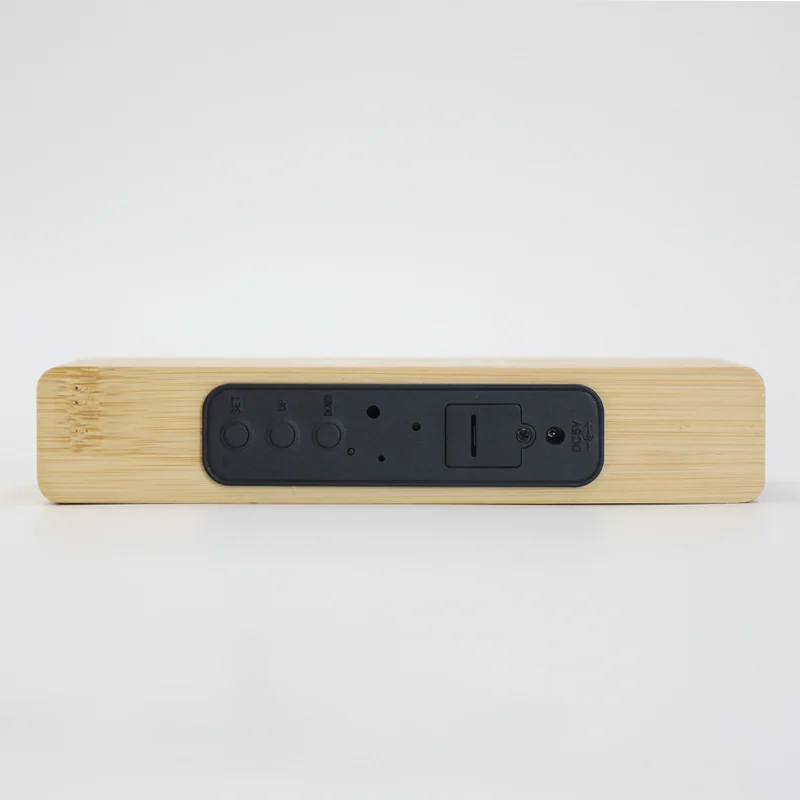
An attractive sample is useful only when it has an identity. Ask the manufacturer to label the model, hardware or firmware revision where relevant, finish, logo artwork, cable, adapter, packaging revision and approval date. Photograph the front, rear, top, controls, ports, display, charging area, labels and completed pack.
The approved sample should connect to a controlled specification. That document does not need to be complicated, but it should be specific enough for production, purchasing, quality and packing teams to work from the same version. A buyer should be able to answer: which unit is approved, what changed since the quotation sample, and which record will final inspection use?
Ask how the factory manages golden samples. Confirm where the buyer reference and factory reference are stored, how long they remain valid and what happens if a component becomes unavailable. A verbal promise to “make it the same” is weaker than a dated sample record with photographs, test results and revision numbers.
Compare Charging and Clock Test Evidence
Wireless charging claims must be linked to the exact configuration and test conditions. Request a log that names the phone or representative receiver, case condition, power source, cable, starting battery state, alignment method, test duration and observed result. If the product page states 15W, ask what profiles and test setup support that claim for the quoted model. Do not turn one successful test into a universal compatibility statement.
The clock side needs its own repeatable checks. Verify time setting, display visibility, control sequence, alarm or temperature functions only when they are part of the selected model, and behavior after a power interruption. Record which items are confirmed public facts and which require a project sample.
The Wireless Power Consortium product database and certification guidance can help buyers check current Qi evidence. Database presence, documentation and branding rights should be confirmed for the exact supplied model and intended claim; they should not be inferred from a similar product.
Review Bamboo Finish and Assembly Control
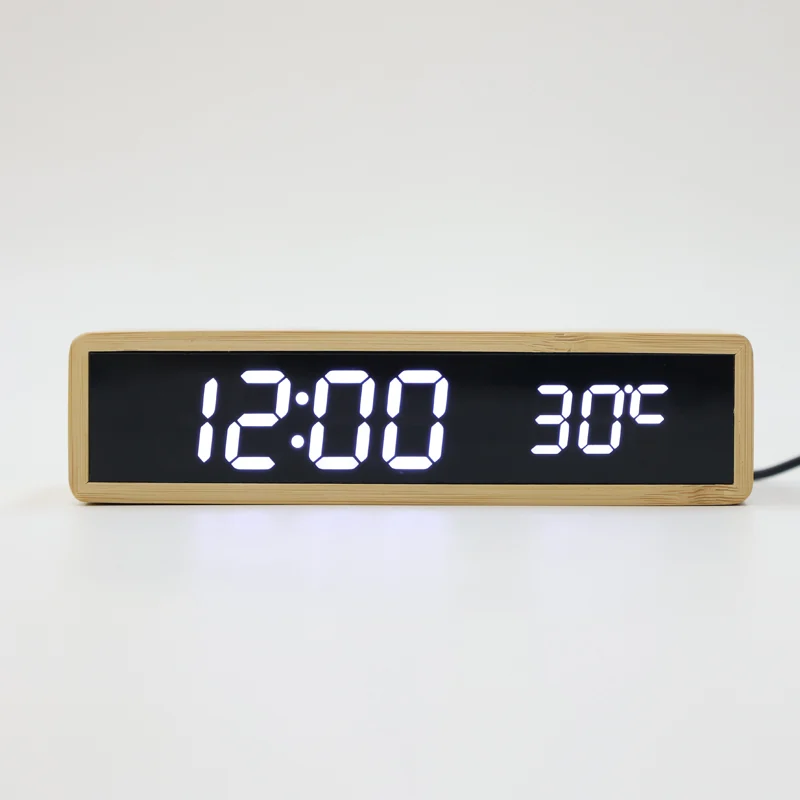
Natural bamboo grain should not be judged as if it were a printed texture. Compare how each manufacturer separates acceptable grain and color variation from preventable workmanship problems such as cracks, sharp splinters, chipped openings, excess adhesive, coating faults or unstable assembly.
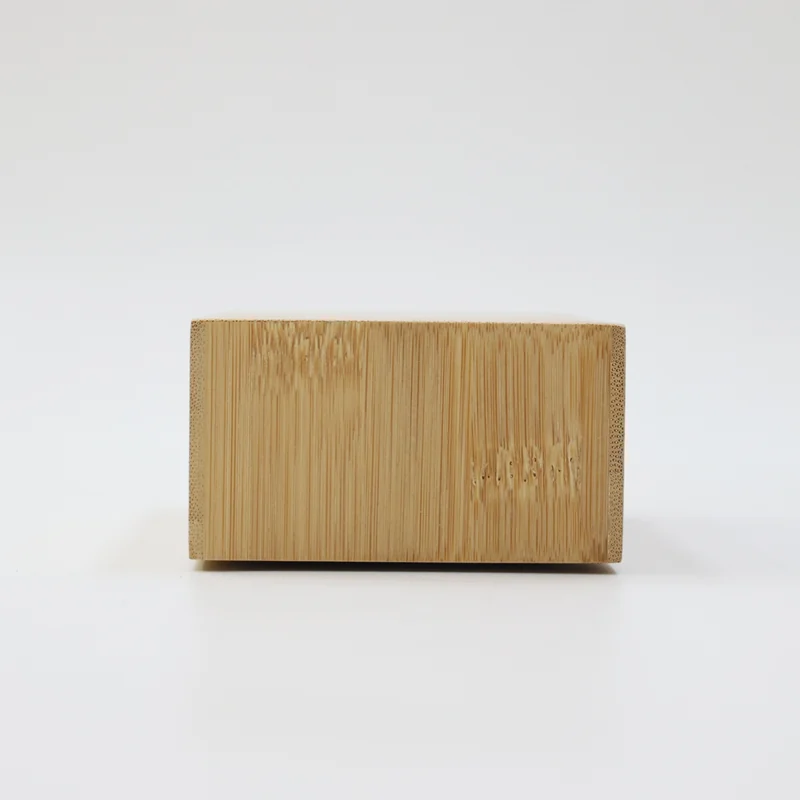
Ask for a representative approved visual range rather than one ideal photograph. Include front and side surfaces, the area around the display, charging zone, ports, controls and logo. Where dimensions or gaps affect function, use measurements or gauges in addition to photographs.
This is also where manufacturing discipline becomes visible. A capable response explains which visual attributes are controlled by material selection, machining, finishing, assembly and inspection. It does not hide every difference under the phrase “natural material.”
Test Change Control Before Awarding the Order
The most revealing factory question is simple: what happens when an approved component, material, process or package has to change? Ask for the change-notice workflow before placing the order. The notice should identify the affected model and revision, reason, proposed replacement, functional or appearance impact, required samples and re-test decision.
Changes to charging electronics, power accessories, display modules, controls, coatings, adhesives, bamboo source, labels or packaging may require different levels of review. The buyer and manufacturer should agree who can approve each class of change. Silence should never be treated as approval.
Use a small scenario during supplier evaluation: “The approved adapter is unavailable two weeks before production. What record do you send, what sample do you prepare, and what testing is repeated?” The quality of the answer often shows more than a general factory presentation.
Inspect Production and Completed Packaging
Ask each manufacturer to convert the approved specification into a production inspection checklist. It should cover identity, function, charging behavior, controls, display, appearance, logo, labels, accessories and packaging. The method, sample scope, defect classification and remedy should be agreed for the real order rather than borrowed from a generic checklist.
Packaging is part of product control. Review the exact cable, adapter scope, manual, insert and retail box. Check whether hard accessories can rub the bamboo surface, whether the unit moves in the insert, whether labels match the model and whether the first-use instructions describe the supplied configuration.
After any agreed handling or transport test, open the pack and repeat the key appearance and function checks. A product that passes before packing but arrives scratched, shifted or confusing to set up is not a fully approved production result.
Score Manufacturers With Evidence, Not Promises
Create a weighted scorecard before final negotiations. Give the largest weight to product-definition accuracy, test evidence, change control and repeatability. Commercial terms matter, but a low quote with unclear configuration or weak documentation can make comparison impossible.
| Score area | Suggested review question |
|---|---|
| Configuration accuracy | Did the supplier answer every line of the same brief? |
| Evidence quality | Are results traceable to the exact sample and conditions? |
| Production control | Can the factory show how approval becomes inspection? |
| Communication | Are unknowns and changes raised early and in writing? |
| Packaging readiness | Is the complete packed unit part of approval? |
| Commercial fit | Are quantity, quotation scope, lead time and remedies clearly stated? |
Do not give points for certificates, capacity claims or customer names that cannot be connected to the selected product and project. Record evidence gaps as open actions instead of guessing.
Final Buyer Checklist
- Is the target model and configuration written in one controlled brief?
- Do quotation, specification, sample and package describe the same unit?
- Is the approved sample labeled with a date and revision?
- Are charging results tied to named devices, cases and power conditions?
- Are clock functions checked for the exact selected configuration?
- Is natural bamboo variation separated from workmanship defects?
- Is there a written process for component, material and packaging changes?
- Can production and final inspection identify the approved reference?
- Does the completed package protect the finish and explain first use?
- Do compliance and qualification documents match the model, market and claim?
- Are unresolved items recorded before the purchase decision?
Send Bamvero the target model, destination market, required charging and clock functions, logo artwork, packaging route and representative devices when requesting an OEM comparison. The goal is a shortlist built around controllable evidence, not the longest feature list.
Related sourcing resources
Methodology and official references
Qi evidence and charging claims must match the exact supplied model, brand and configuration. This buyer guide does not certify a product.
Frequently asked questions
Is a beautiful sample enough to select a manufacturer?
No. The buyer also needs a traceable specification, test evidence, change process, production inspection route and completed packaging approval.
Can one 15W result prove compatibility with every phone?
No. Record the exact device, case, input power, cable, alignment and test condition, then keep claims within the verified scope.
Should natural bamboo grain match one reference exactly?
No. Approve a representative visual range and control cracks, splinters, coating, openings and assembly defects separately.
What changes should a factory report?
Require written notice for changes that may affect function, appearance, safety, documentation, accessories, labeling or packaging.
What should buyers send for a useful factory comparison?
Send the model direction, destination, target functions, devices, power expectations, logo, package, quantity range and required documents in one shared brief.
Build the specification before comparing the final price.
Align the target channel, product functions, destination market, branding and packaging route before approving a sample or bulk quotation.