Bamboo Electronics OEM RFQ Checklist: What Buyers Should Send Before Quotation
Send the model, market, quantity, functions, branding, packaging and sample goals in one clear request so suppliers can quote the same project.
Start With the Product Job, Not a Long Feature List
A useful bamboo electronics OEM RFQ begins with the job the product must do. Explain whether it will be sold as a retail item, supplied to hotel rooms, included in a corporate gift program or launched under a private label. The same clock or charger may need different branding, instructions, packaging and test evidence for each route.
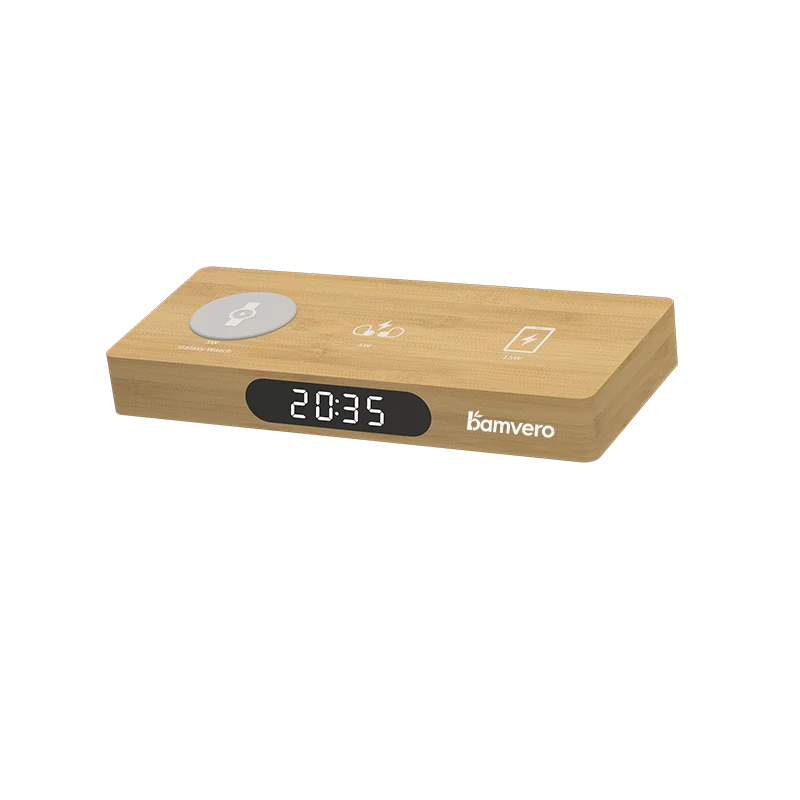
Name one preferred product direction instead of asking for every available model. Buyers comparing a charging clock can start with the W118 bamboo wireless charging clock, while buyers looking for a multi-device desk format can review the W120 3-in-1 bamboo charging clock. A product link or reference image prevents the first quotation from being based on the wrong housing.
Identify the Sales Market and Buyer Type
State the destination country, sales channel and intended user. These details affect language, packaging labels, power accessories and the evidence a buyer may request. “For Europe” is more useful than “for export,” but the best RFQ also says whether the item is for ecommerce, specialty retail, hospitality or business gifting.
Do not ask a supplier to decide your compliance obligations from a product photo. Share the market and claims you intend to make, then ask which reports, declarations or product records are available for the exact configuration. Our guide to comparing bamboo charging clock manufacturers explains why evidence should be tied to a model and revision.
Give a Realistic Quantity Range
The quantity should describe the project stage. Separate sample quantity, first production quantity and expected repeat-order range. If the design is still being evaluated, say so. A supplier can then distinguish a sample quotation from a production quotation and identify which customization options are practical at each stage.
Avoid using a very large forecast only to obtain a lower unit price. Packaging, component purchasing and production planning depend on the quantity that will actually be ordered. A realistic range produces a more useful conversation about minimum order quantity, sample work and price breaks.
Define the Exact Functional Configuration
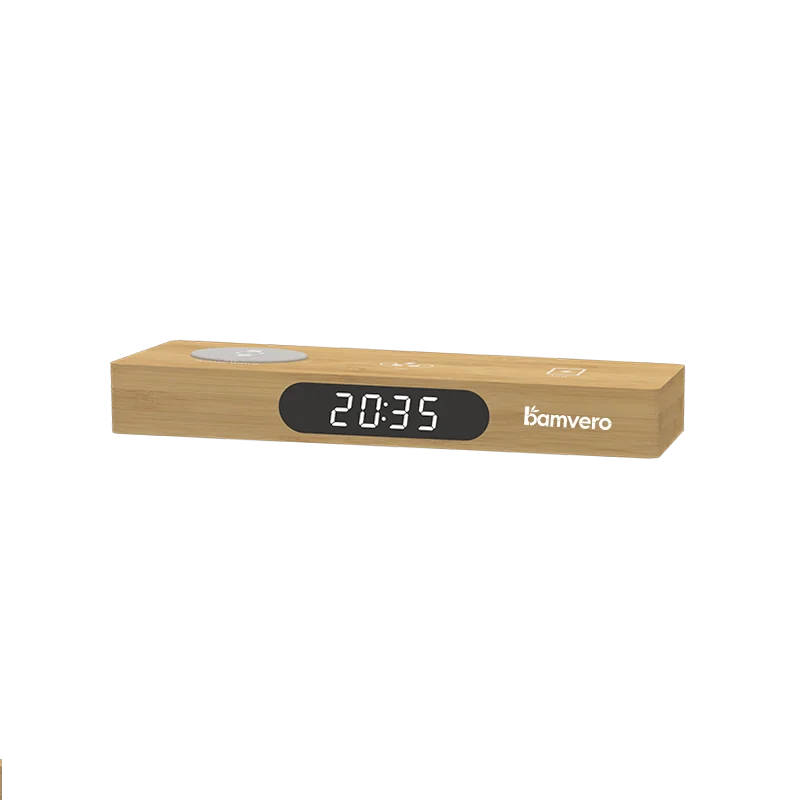
Write the functions in operational terms. For a charging product, identify the devices and cases to be tested, the intended power input, included cable or adapter scope and how charging success will be judged. For a speaker clock, identify the audio, alarm, display and power functions that matter to the program.
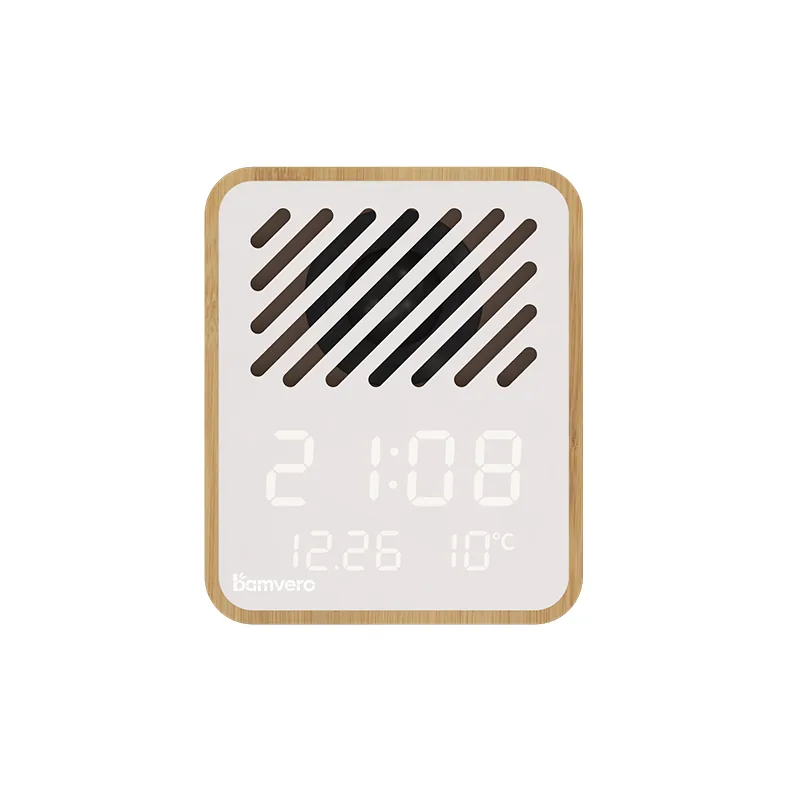
The bamboo Bluetooth speaker clock category contains several formats with different faces and functional layouts. Referencing a model and listing required functions is clearer than sending a broad request for “a bamboo speaker with all features.” Any function that remains optional should be marked as an option, so it does not silently enter the quoted baseline.
Separate Product Branding From Packaging
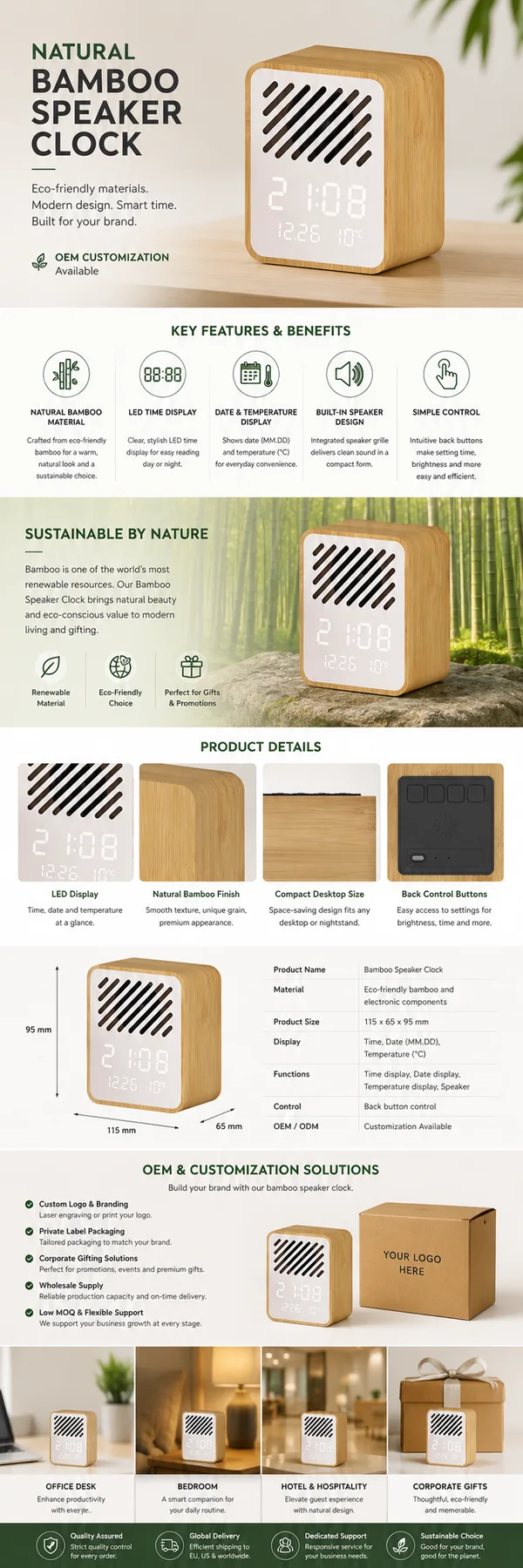
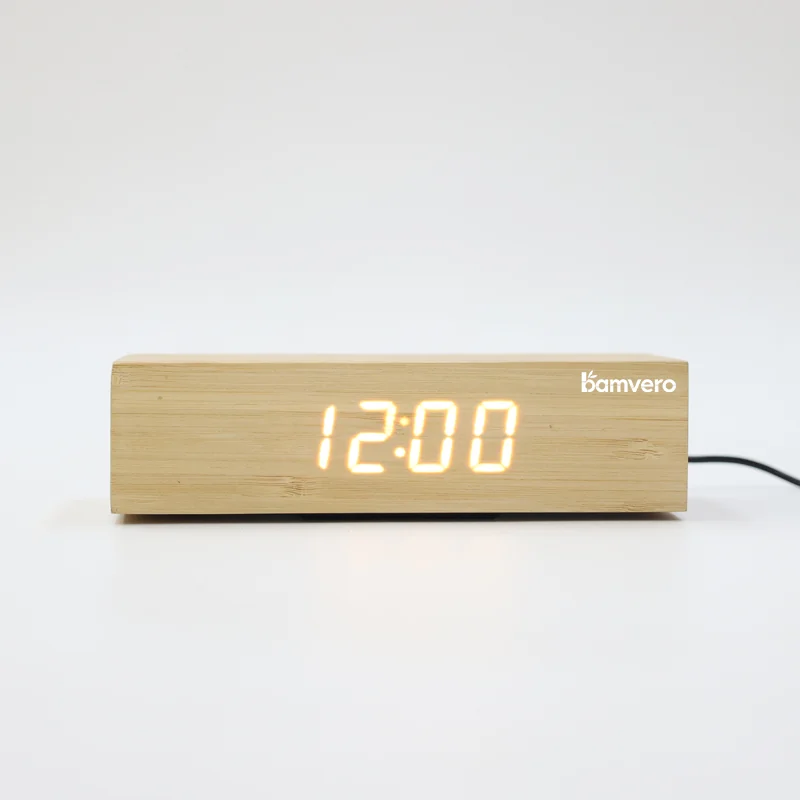
Attach a vector logo when available and state whether laser engraving, printing or another result is preferred. Identify the desired logo area, but allow the physical sample to confirm the final size and position. Bamboo grain and the relationship between the logo, display, speaker grille and controls can change how the artwork appears.
Packaging needs its own scope. State whether you need neutral export protection, a printed gift box, a retail box, a manual, barcode space or destination-language labels. The speaker clock logo and packaging approval guide shows why the branded product and completed pack should be approved as separate stages.
Ask for a Quotation With Visible Assumptions
A comparable quotation should identify the exact model, configuration, quantity basis, branding scope, packaging scope, included accessories, trade term, lead-time basis and validity period. Ask the supplier to mark unconfirmed points instead of filling them with assumptions.
The first price is not a finished production agreement. It is a structured starting point. If a feature, accessory, test or artwork step is excluded, that exclusion should be visible before buyers compare suppliers.
Plan the Sample and Approval Route
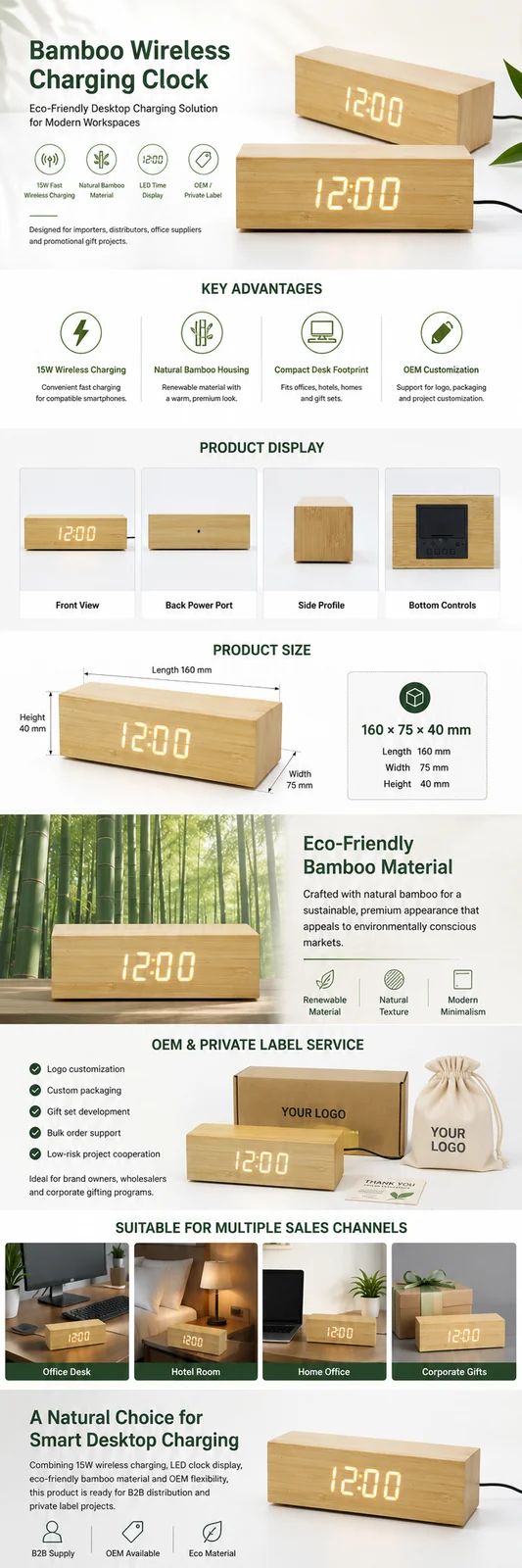
State what the sample must prove. A standard sample can confirm the basic model and functions. A branded sample can confirm logo appearance. A final packed sample can confirm product, accessories, instructions, labels and packaging together. These stages may be combined only when the project risk and schedule allow it.
Keep approved records under one model and revision name. The private-label pre-production document checklist provides a practical way to connect specification, artwork, sample and production approval instead of relying on scattered messages.
Send These Details in the First Message
Your first RFQ should include the preferred product link, destination market, buyer type, quantity range, required functions, representative devices, logo file, packaging level, target timing and delivery destination. Add the questions that would stop the project if the answers are unsuitable.
A concise but complete message helps the supplier return a smaller model shortlist and a quotation with fewer hidden assumptions. Bamvero can then confirm which points are standard, which need samples and which require project-specific review.
Build the specification before comparing the final price.
Align the target channel, product functions, destination market, branding and packaging route before approving a sample or bulk quotation.